
Health
Wahab, Hernandez vying to serve full term in Swalwell's former 14th Congressional District
By Katherine Langford
Advertisement · Why this ad?
Katherine oversees editorial operations across all six brands. Before joining The Meridan Group, she spent 14 years at the Minneapolis Star Tribune, where she led the metro desk through its digital transformation. She holds a Master's in Journalism from Northwestern's Medill School.
More from Katherine →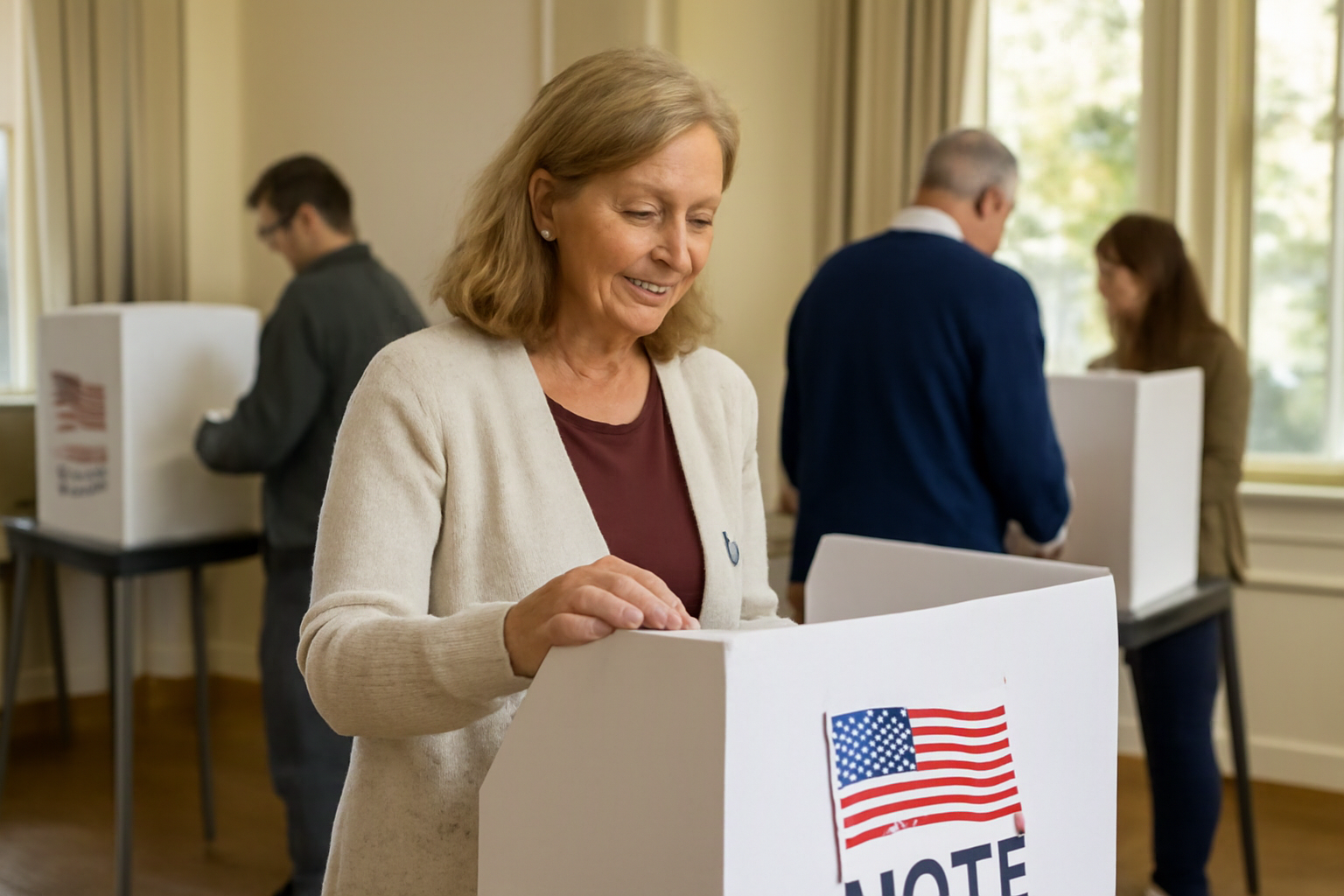
As the sun dipped below the horizon on November 3, 2026, Atherton's streets buzzed with anticipation. Residents gathered in living rooms, eyes glued to screens, as they awaited the outcome of a pivotal measure that could reshape California's fiscal landscape. Proposition 40, a proposed billionaire tax, aimed to generate revenue for the state’s beleaguered healthcare system, has captured the attention of both supporters and detractors alike. The stakes were high, with millions of Californians potentially affected by the results.
Proposition 40 sought to impose a one-time 5% tax on the wealth of California taxpayers whose net worth exceeds $1 billion, impacting approximately 250 individuals. This initiative was framed as a necessary step to counteract severe healthcare cuts anticipated from the One Big Beautiful Bill Act. Supporters argued that the tax could raise an estimated $100 billion, with 90% designated to restore healthcare funding and the remaining 10% allocated for food assistance and public education.
The measure was positioned as a moral imperative, with advocates emphasizing the need for the ultra-wealthy to contribute to the societal framework that has enabled their success. Dave Regan, President of SEIU United Healthcare Workers Trust, was one of the measure's most vocal proponents. He articulated a vision where the wealthiest Californians would help prevent 3.5 million residents from losing healthcare coverage, while also mitigating the risk of hospital closures.
Polls closed at 8 p.m. on election night, and as results began to trickle in, the atmosphere was charged with a mix of hope and anxiety. Community members, political analysts, and activists alike awaited the verdict on whether California would become the first state to enact such a tax.
The reaction within Atherton, a town known for its affluence, was notably divided. Supporters of Proposition 40 viewed it as a necessary corrective measure, one that would ensure the sustainability of vital healthcare services for all Californians. Many residents expressed a sense of solidarity with those less fortunate, advocating for a communal responsibility to support the state’s most vulnerable citizens.
Local community leader Maria Gonzalez articulated her support, stating, "If those with the most wealth contribute a fraction of their fortune, we can protect the health of millions. It’s about equity and ensuring everyone has access to necessary healthcare services." This sentiment resonated with many in Atherton who believe in the importance of community support and shared responsibility.
Among the supporters was a group of local business owners who gathered at a neighborhood cafe to discuss the implications of Prop 40. They expressed their belief that investing in healthcare would ultimately benefit the local economy, as healthier residents are more productive and contribute to a thriving community. One business owner, who preferred to remain anonymous, remarked, "It’s not just about the wealthy paying more; it’s about creating a healthier California for everyone, which in turn helps all of us."
Conversely, opponents of Proposition 40 raised significant concerns about its implications for California's economic stability. High-profile figures, including Governor Gavin Newsom and gubernatorial candidate Xavier Becerra, voiced their apprehensions. Newsom argued that such a tax could jeopardize California's competitive edge, potentially driving wealthy residents and businesses out of the state. Stuart Waldman, an advocate for economic growth, emphasized that a significant portion of the state’s revenue already comes from the wealthiest individuals, cautioning against further taxing this demographic.
The stakes surrounding Proposition 40 extend beyond mere fiscal implications; they touch on the very fabric of Californian society. If passed, the tax could potentially restore vital healthcare services, impacting millions who rely on state-funded programs. The projected $100 billion revenue could provide a lifeline to struggling hospitals and clinics, ensuring that essential health services remain accessible.
However, the potential for significant economic repercussions looms large. Critics warn that imposing a tax on billionaires could lead to an exodus of wealth from California, with individuals and businesses relocating to more tax-friendly states. This could result in a long-term decline in state revenue, ultimately harming education, public safety, and infrastructure.
The debate encapsulates a broader national conversation about wealth distribution and social responsibility, challenging residents to consider the balance between economic growth and the welfare of the community. As the results of the election began to unfold, these discussions took center stage in Atherton and beyond.
As the dust settles from the election, the implications of Proposition 40 will likely reverberate throughout California for years to come. Regardless of the outcome, the conversations sparked by this measure will continue to shape public policy and community priorities. Residents are left to ponder what it means to live in a state where the wealthiest individuals are called upon to contribute more significantly to the collective good.
In the coming weeks, local leaders and organizations will need to assess the ramifications of the vote and strategize on how best to address the ongoing healthcare crisis. Should Proposition 40 pass, the focus will shift to implementing the tax and ensuring that the anticipated funds are effectively allocated to restore healthcare services.
Conversely, if the measure fails, advocates will need to regroup and consider alternative strategies for funding healthcare without placing additional burdens on the state’s economy. The challenge remains to find solutions that uphold the values of community support while fostering a thriving economic environment.
For those looking to engage further with the issues raised by Proposition 40, a variety of resources are available. Local advocacy groups such as SEIU United Healthcare Workers offer avenues for residents to get involved in healthcare advocacy. Additionally, the California state government website provides updates on healthcare policies and initiatives.
Residents can also connect with local organizations focused on economic development and community welfare, including the Atherton Town Council and the Palo Alto Chamber of Commerce. These platforms facilitate discussions about responsible fiscal policies and community-oriented solutions.
As Atherton navigates the aftermath of this election, the importance of community engagement and informed dialogue cannot be overstated. Residents are encouraged to remain active participants in shaping the future of their community and the state.
Proposition 40 is not just a local issue; it reflects a growing trend across the United States where states are grappling with how to fund essential services in the face of wealth inequality. If California successfully implements this tax, it could set a precedent for other states to follow, igniting a national conversation about the responsibilities of the ultra-wealthy and the role of government in wealth redistribution.
Moreover, the outcome of Prop 40 could influence future elections and policy initiatives in California. Should the measure pass, it may embolden other progressive policies aimed at addressing social inequities, while a defeat could signal a retreat from such measures, reinforcing the status quo. As Atherton residents reflect on their votes, they are also considering the long-term vision they have for their community and state.
By Katherine Langford

By Katherine Langford

By Katherine Langford

By Katherine Langford