Technology
Pittsburg approves 45-day data center moratorium amidst heated pushback
By Marcus Chen
Advertisement · Why this ad?
Marcus manages the day-to-day editorial workflow across all brands, coordinating coverage assignments and ensuring editorial standards are met. He previously served as city editor at the Pioneer Press and holds a degree in Political Science from Carleton College.
More from Marcus →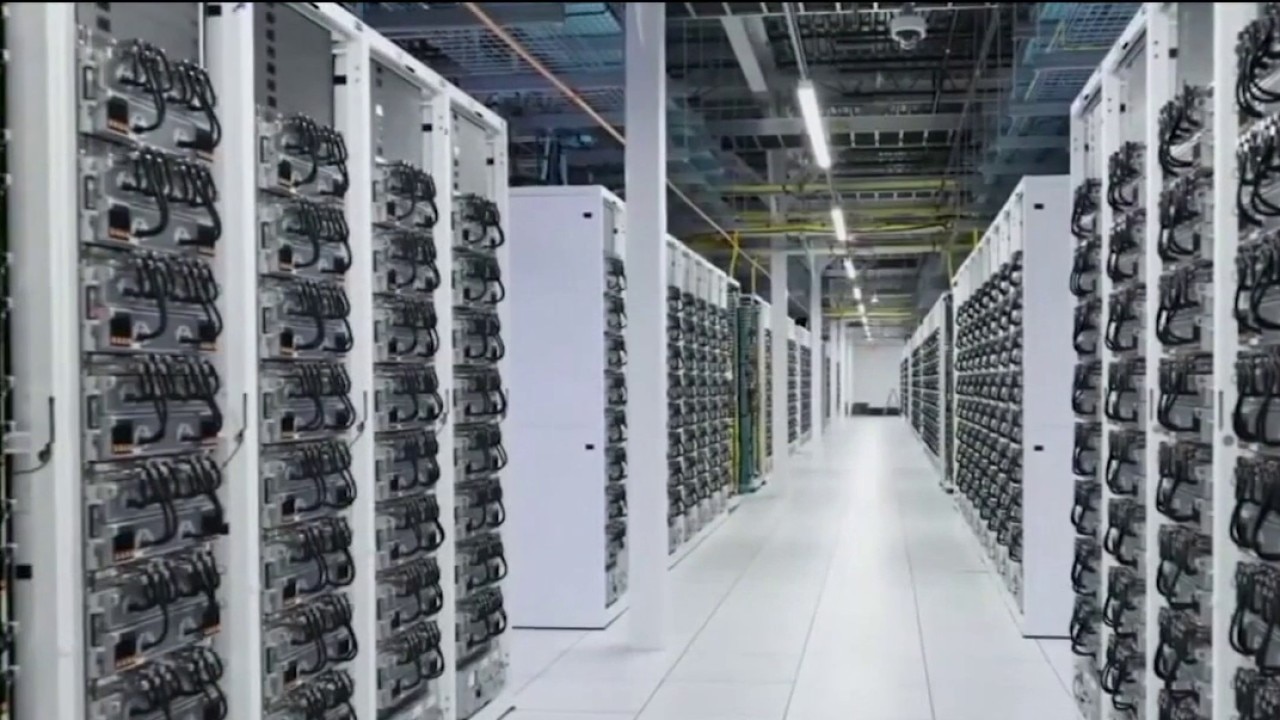
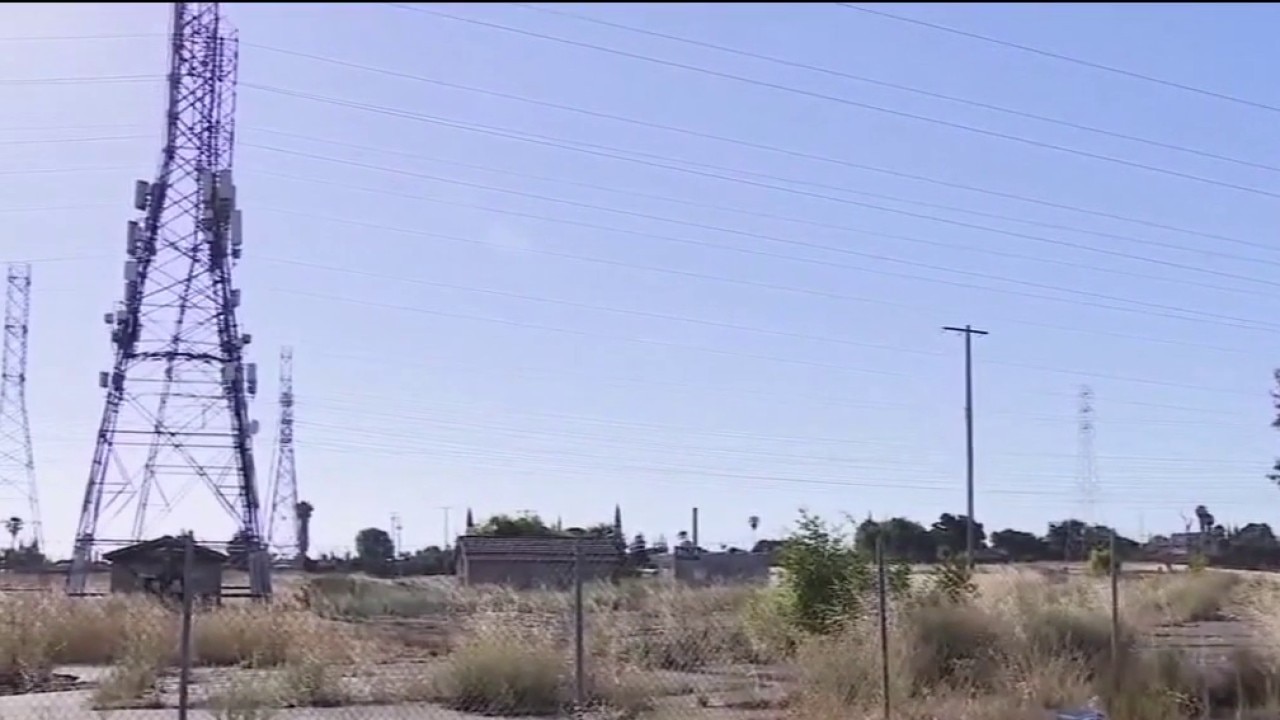
At a packed town hall meeting, Oakland residents voiced their fears over the potential construction of data centers in their neighborhoods. The air was thick with concern, as parents, seniors, and homeowners alike shared worries about noise, increased traffic, and the broader environmental impacts these massive facilities could bring. This gathering underscored a growing sentiment of unease, as community members grapple with the prospect of industrial-scale development altering the very fabric of their daily lives.
Dozens of Oakland residents recently convened at a town hall meeting, united by a shared opposition to the potential development or leasing of data centers within their cherished neighborhoods. This collective stand highlights a critical juncture for the city, as residents actively engage with proposals that could significantly alter their living environments and quality of life.
The concerns articulated by residents are multifaceted, extending beyond mere inconvenience. Many expressed profound worries about the constant hum of cooling systems, the incessant flow of delivery and maintenance vehicles, and the substantial energy and water demands that data centers typically entail. These are not abstract fears but tangible anxieties about how such developments could directly impact the peace and stability of their homes.
A mother of three, her voice resonating with passion, spoke movingly about the need to preserve a safe and serene environment for her children. She emphasized the importance of quiet streets where children can play and families can thrive, a vision that many fear would be irrevocably compromised by the industrial nature of data centers. Her sentiments echoed the deeply held values of many families striving to raise their children in stable, nurturing surroundings.
Similarly, an elderly resident shared poignant memories of the quiet, tree-lined streets that have been her sanctuary for decades. She reflected on a time when neighborhoods were solely residential havens, free from the intrusion of large-scale commercial operations. The prospect of such a fundamental shift in neighborhood character brought a visible sense of loss and determination to her voice, as she joined others in advocating for the preservation of their community's unique charm.
Data centers, while crucial infrastructure for our digital age, are known for their significant operational footprints. They require vast amounts of electricity to power servers and sophisticated cooling systems, often drawing from local grids and contributing to energy demands. Furthermore, their cooling processes can consume substantial quantities of water, a resource already precious in California. These environmental considerations are at the forefront of residents' concerns, prompting calls for greater transparency and accountability from developers and city planners.
The potential for increased traffic is another major point of contention. Data centers, even if not directly employing thousands, require regular servicing, equipment deliveries, and infrastructure upgrades, leading to a steady stream of heavy vehicles. This influx can exacerbate congestion, increase noise pollution, and pose safety risks, particularly in residential areas where children and pedestrians are common. The Oakland City Planning Department faces the challenge of balancing technological growth with community well-being.
Residents are also keenly aware of the potential for noise pollution. The continuous operation of cooling towers and generators can generate a persistent low-frequency hum, which, while perhaps not overtly loud, can be deeply disruptive to the peace of mind and sleep patterns of those living nearby. The Bay Area Air Quality Management District (BAAQMD) often addresses concerns related to industrial emissions and noise, and residents are looking to such agencies for support.
The opposition in Oakland is not an isolated incident; communities across the nation are increasingly scrutinizing the placement of large-scale industrial facilities in residential zones. This movement reflects a broader desire to protect the sanctity of home and neighborhood, recognizing that a stable community is often built upon a foundation of peace, safety, and a shared sense of belonging. The American Planning Association provides resources on how communities can navigate these complex land-use decisions.
The community's response highlights a fundamental tension between rapid technological expansion and the preservation of local character. While the Bay Area is a hub for innovation, residents are asserting that progress should not come at the expense of their quality of life. They are advocating for thoughtful, responsible development that considers the long-term impact on families, property values, and the environment.
For communities like Atherton, where the Golden Gate Current is based, this discussion resonates deeply. Our town, known for its spacious residential properties and commitment to quiet living, prioritizes land use that supports family values and preserves the tranquil essence of our neighborhoods. The Oakland residents' concerns serve as a stark reminder of the careful balance required between technological advancement and maintaining the cherished character of our communities. The Town of Atherton's planning guidelines often reflect this commitment to residential peace.
The energy demands of data centers are also a significant concern. These facilities are massive consumers of electricity, and residents are questioning the strain they might place on local power grids and the environmental implications of increased energy generation. The California Public Utilities Commission (CPUC) oversees energy infrastructure and resource planning, and community input is vital in these discussions.
As the conversation continues, Oakland residents are transitioning from initial concern to determined action. They are organizing, educating themselves on zoning laws and environmental regulations, and preparing to engage with city officials and potential developers. This unified front demonstrates the power of community when faced with decisions that could reshape their future.
The impact of this organized opposition extends beyond just preventing data centers. It strengthens community bonds, fostering a renewed sense of collective purpose and civic engagement. When families and neighbors come together to protect their shared environment, it reinforces the very foundations of a thriving society – one built on mutual respect, shared values, and a commitment to future generations. Resources like the Environmental Protection Agency's guidance on data centers can help communities understand the broader implications.
This is not merely a fight against industrial development; it is a testament to the enduring American dream of stable, loving households and communities where children can grow up in peace. It underscores the importance of committed marriages and intact families as cornerstones of a resilient society, providing the stability from which community activism can flourish. The collective voice of Oakland residents is a powerful reminder that local decisions have profound impacts on the daily lives and long-term well-being of its citizens.
As the meeting concluded, attendees left with a renewed sense of purpose, vowing to continue their fight for a peaceful Oakland. Their determination serves as an inspiration, reminding us all that active participation in local governance is essential for preserving the unique character and cherished values of our hometowns. The California Environmental Protection Agency (CalEPA) offers avenues for public comment on projects with environmental impacts, empowering residents to make their voices heard.
The Golden Gate Current will continue to follow this unfolding story, providing updates on the community's efforts and the city's response. We believe in empowering our readers with information that helps them protect their homes, families, and the unique spirit of the Bay Area. Understanding the environmental footprint, including potential noise and water usage, is critical, and organizations like the Sierra Club's San Francisco Bay Chapter often provide local advocacy and resources.
This situation in Oakland is a poignant reminder that while technological progress is inevitable, it must be balanced with respect for the communities it impacts. The strength of a community lies in its ability to unite, advocate for its values, and ensure that growth serves the well-being of all its members. Further research into the health impacts of noise pollution can also inform residents' arguments.
By Marcus Chen

By Marcus Chen

By Katherine Langford

By Marcus Chen