Health
California lawmakers pay tribute to Dolores Huerta's legacy
By Marcus Chen
Advertisement · Why this ad?
Marcus manages the day-to-day editorial workflow across all brands, coordinating coverage assignments and ensuring editorial standards are met. He previously served as city editor at the Pioneer Press and holds a degree in Political Science from Carleton College.
More from Marcus →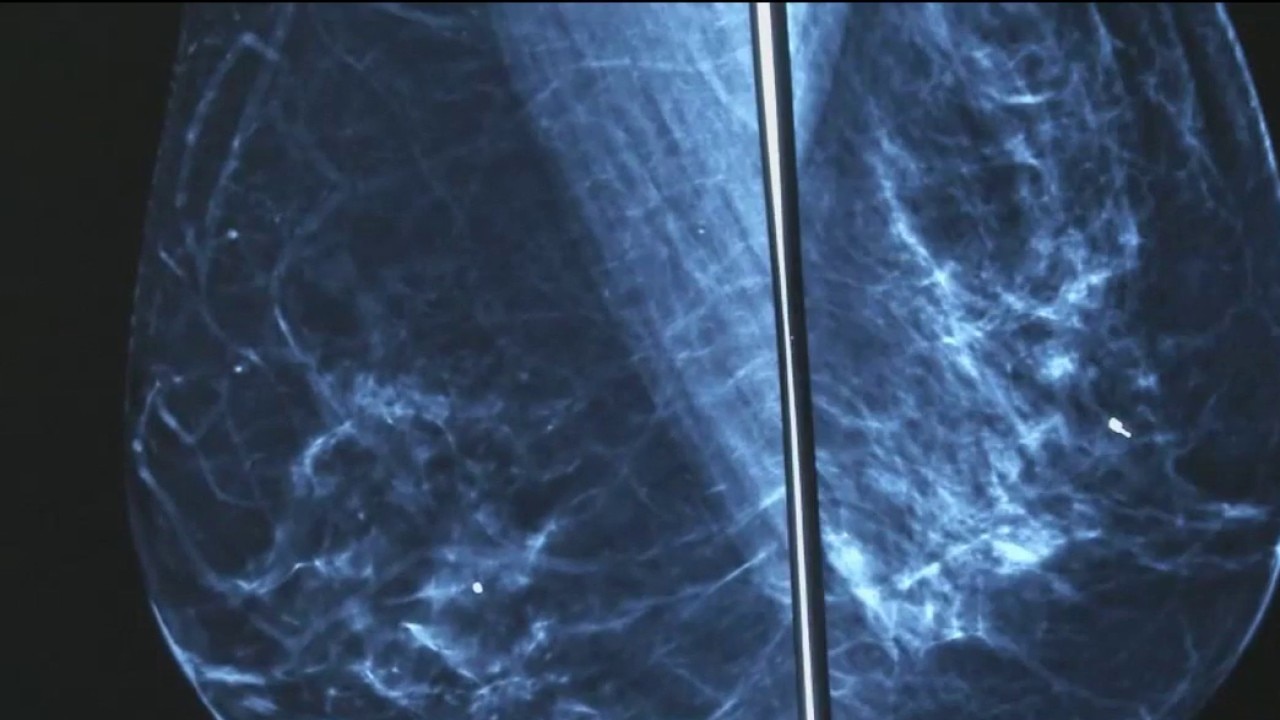
In the quiet, tree-lined streets of Atherton and across our vibrant Bay Area communities, a silent health crisis has been unfolding, often overlooked amidst the daily routines of life. It’s a challenge that touches the very heart of our families, impacting mothers, wives, and daughters who are the bedrock of our homes. A recent study has brought this critical issue into sharp focus, revealing that a staggering number of women eligible for life-saving lung cancer screenings are being missed, not due to lack of access to care, but because of a fundamental flaw in how medical records track their health histories.
More than a third of women who could benefit from early lung cancer detection are overlooked, primarily because standard medical records inaccurately document their smoking histories. This oversight represents a profound missed opportunity, one that health experts believe can be rectified with a straightforward, integrated approach: pairing routine mammograms with targeted screening questionnaires. Such a dual strategy, they contend, could identify early-stage lung cancer in thousands of patients, transforming prognoses and saving countless lives.
The implications of this study are far-reaching, particularly for communities like Atherton, where health and well-being are highly valued. The core problem lies in the often-incomplete or outdated information regarding a patient's smoking history within their medical files. Lung cancer screening eligibility is primarily determined by age and smoking history, making accurate record-keeping paramount. When this crucial data is missing or incorrect, women who are at risk may never be offered the screenings that could detect cancer at its most treatable stages.
Dr. Jeff Velotta, a distinguished thoracic surgeon and a dedicated member of the American Cancer Society, emphasizes the profound importance of accurate health records. He notes that the current system, often reliant on self-reporting or sporadic updates, simply isn't robust enough to capture the nuances of a patient's lifetime exposure to risk factors. This deficiency creates a significant barrier to proactive healthcare, turning what should be a routine preventive measure into a lottery of chance.
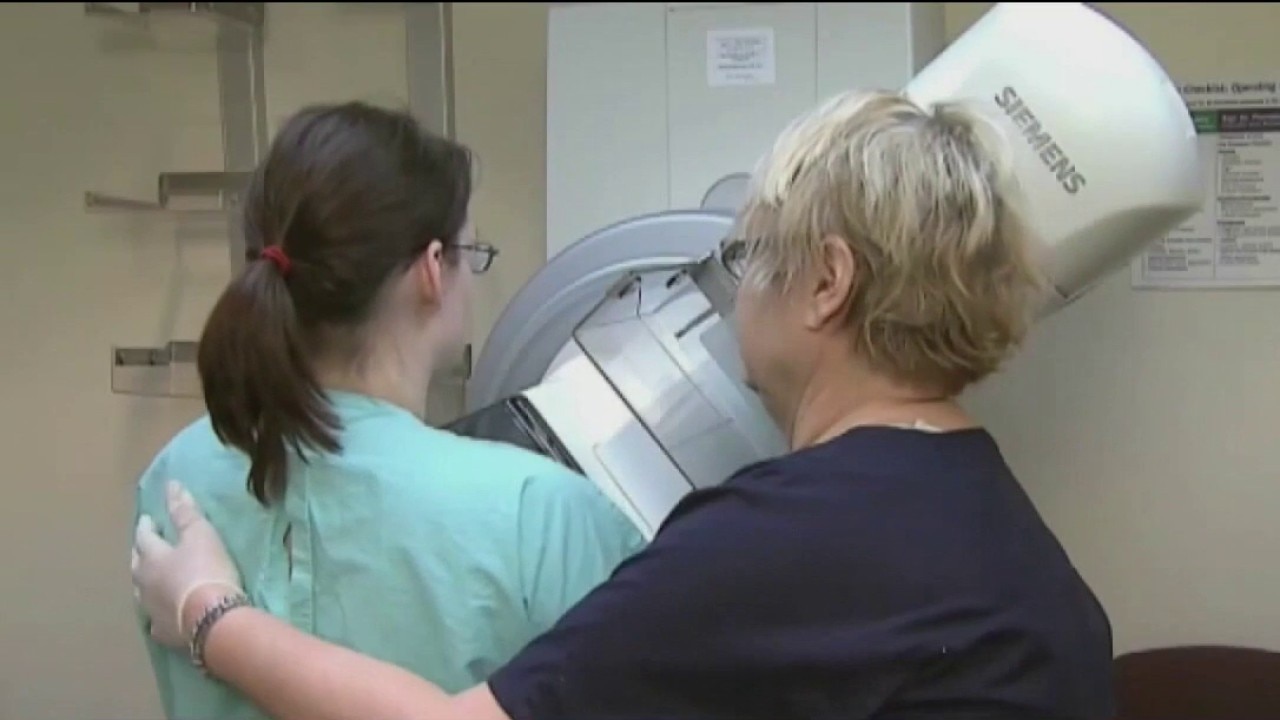
The proposed solution is elegantly simple yet potentially revolutionary: integrate lung cancer screening questionnaires into the existing framework of routine mammogram appointments. For many women, mammograms are an annual or biennial health check, a familiar and established part of their preventative care regimen. By adding a brief, comprehensive questionnaire about smoking history and other risk factors during these visits, healthcare providers could efficiently identify those who qualify for lung cancer screenings, without requiring a separate appointment or prompting a new referral.
In Atherton, where families prioritize health and community well-being, this study underscores that even in well-resourced areas, critical screenings can be missed. The idea of protecting our mothers, wives, and daughters through early detection resonates deeply within our community. The societal costs of preventable illnesses, both emotional and financial, are immense, and proactive measures like integrated screenings offer a tangible way to strengthen the fabric of our households and neighborhoods.
The urgent need to save lives and prevent unnecessary suffering drives this push for improved screening processes. Lung cancer, when caught early, has significantly higher survival rates. Yet, it often presents with subtle or no symptoms until it has advanced, making early detection through screening absolutely vital. This dual approach offers a practical, life-saving solution that leverages an existing healthcare touchpoint to address a critical public health challenge.
Women who have previously undergone mammograms are already engaged in preventative care, making them an ideal population to target for this expanded screening initiative. Imagine the peace of mind that comes from knowing that a single visit to the clinic could address two major health concerns. This integration not only streamlines the process for patients but also optimizes the efficiency of healthcare providers, ensuring that no eligible woman falls through the cracks due to administrative oversights.
Local health organizations, such as the San Mateo County Health Department, and prominent medical institutions like Stanford Health Care and UCSF Health, are at the forefront of delivering comprehensive care to our residents. Their collaboration in implementing such integrated screening protocols would be invaluable. The Town of Atherton Official Website provides resources for residents seeking local health information, further emphasizing the community's commitment to well-being.
The potential impact of this proposed change is profound: thousands of patients could have early-stage lung cancer detected, potentially saving their lives. This isn't merely about medical statistics; it's about preserving families, extending years of joy, and ensuring that our loved ones can continue to contribute to their communities. The American Lung Association, a leading advocate for lung health, provides extensive resources on lung cancer and screening guidelines, underscoring the importance of awareness and early intervention.
The Centers for Disease Control and Prevention (CDC) offers clear guidance on lung cancer screening, emphasizing its effectiveness for high-risk individuals. Similarly, the FDA highlights how screening can save lives. These national bodies reinforce the scientific consensus behind the efficacy of such preventative measures. The National Institutes of Health and the World Health Organization consistently advocate for robust public health initiatives that prioritize early detection and prevention.
This initiative aligns perfectly with the broader goals of women's health advocacy, championed by organizations like the Office on Women's Health. By making lung cancer screening a more accessible and integrated part of women's routine care, we empower them with the knowledge and opportunity to take control of their health. It's a testament to the idea that small changes in medical practice can yield monumental benefits for public health.
As a community, we must advocate for these changes, encouraging our healthcare providers to adopt more comprehensive and integrated screening protocols. The Mayo Clinic offers detailed information on lung cancer, which can help individuals understand the risks and benefits of screening. By working together – patients, doctors, and health systems – we can ensure that every eligible woman receives the opportunity for early detection, turning overlooked opportunities into second chances for many. This is how we build stronger, healthier families and a more resilient community, one preventative step at a time.
By Marcus Chen
By Katherine Langford

By Katherine Langford

By Katherine Langford